In recent years, the concept of local products has gained prominence in discussions about food, sustainability, and the local economy. But what does it really mean? Local products are foods and goods that are produced and sold close to where they are consumed, minimizing the distance between producer and consumer. This approach benefits not only the environment, but also public health, the local economy, and the quality of the food we put on our tables.
Discover what local products are, their advantages, concrete examples, and how you can easily incorporate them into your daily life.
Local products (also known as zero-kilometer or km 0 products) are those that are produced, processed, and sold within a limited geographic area, usually within 100 km of the point of sale. Their goal is to reduce the carbon footprint, support local producers, and ensure freshness and quality.
They should not be confused with organic products: a product can be organic and come from the other side of the world, while a local product may not have organic certification but be produced close to home.
1. Sustainability and reduced carbon footprint
By consuming local products, transportation distances are reduced, which lowers CO₂ emissions and the use of fossil fuels.
2. Support for the local economy
Buying from farmers, livestock producers, and small businesses helps create jobs and keeps the local economic fabric alive.
3. Food quality and freshness
Products reach consumers just days—or even hours—after being harvested or produced, preserving their nutritional value and flavor.
4. Gastronomic diversity and identity
Local products reflect the culture, climate, and traditions of each region, helping preserve local varieties that might otherwise disappear.
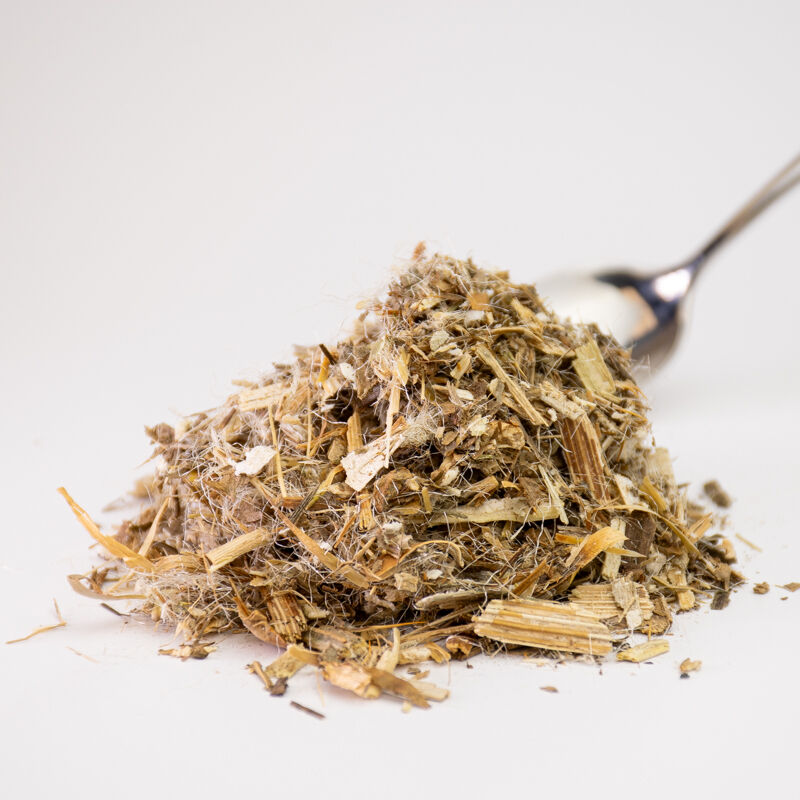
Catalonia has an enormous agri-food richness. Some outstanding examples include:
Including these keywords in your searches and consumption habits will help you find more sustainable and healthier options.
Choosing local products is much more than a trend: it is a conscious way of consuming that benefits the planet, health, and the community. In Catalonia, we have access to a wide variety of fresh, high-quality products that can be part of our daily diet without giving up flavor or tradition.
For your next purchase, think local: choose zero-kilometer products, choose proximity.