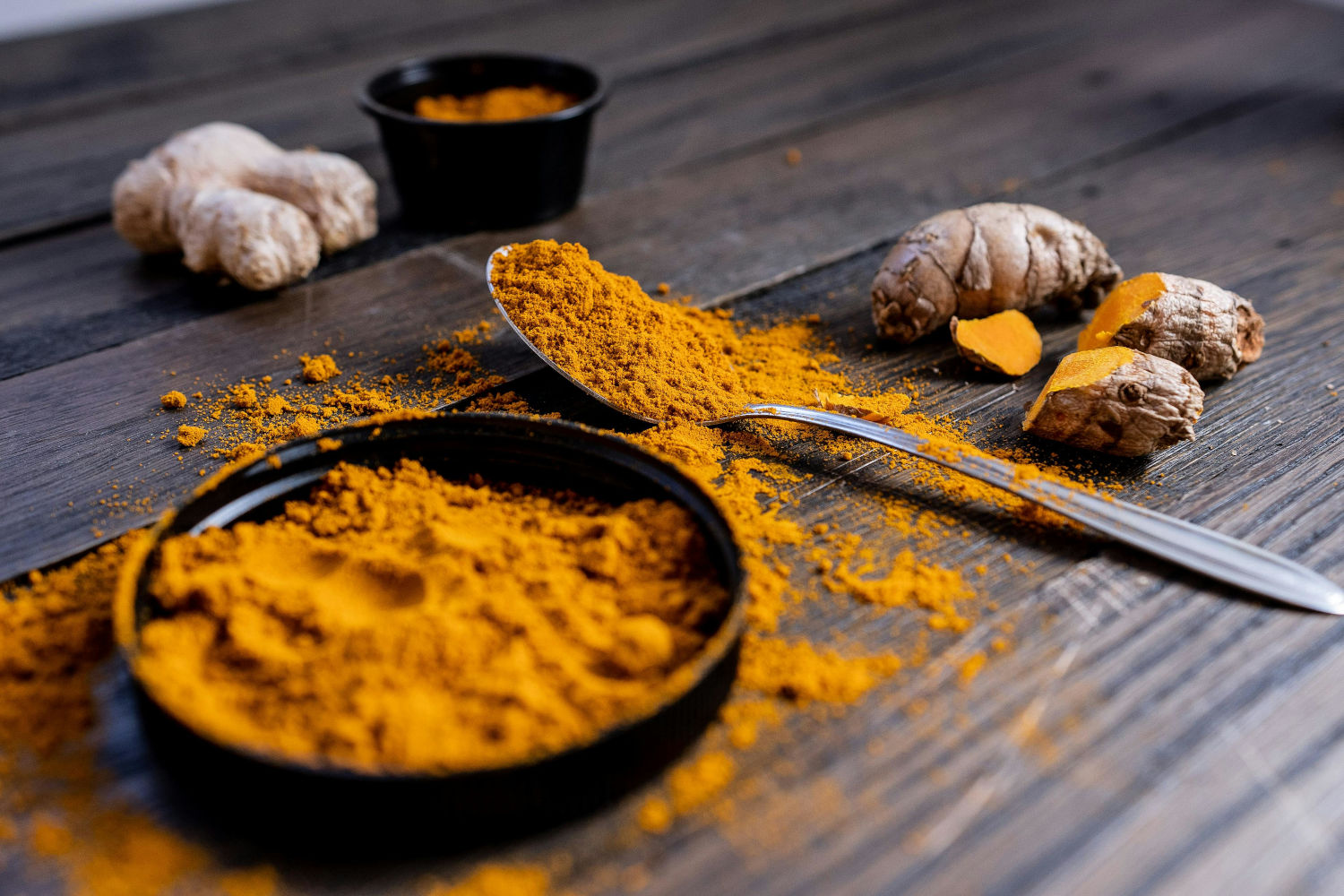
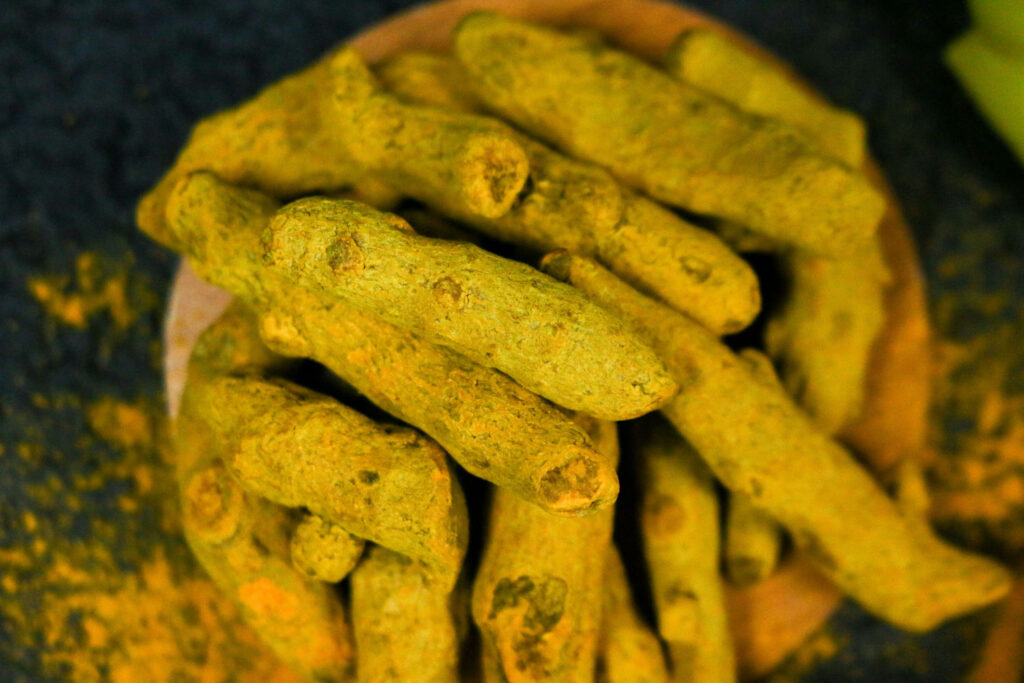
Turmeric, known as “the golden spice,” is much more than a common seasoning. This root, valued for centuries in both traditional medicine and modern science, offers a wide range of health benefits. Thanks to its active compound, curcumin, turmeric stands out for its anti-inflammatory, antioxidant, and many other beneficial properties. Below, we explain how this spice can help improve your well-being.
1. Fights inflammation naturally
Inflammation is a normal response of the body to infections or injuries, but when it becomes chronic, it can lead to conditions such as arthritis or heart disease. Curcumin in turmeric acts as a powerful anti-inflammatory by inhibiting molecules that trigger inflammation. In fact, its effects are often compared to medications like ibuprofen, but without the side effects. Regular consumption of turmeric may be beneficial for people with chronic inflammatory conditions.
2. Acts as a powerful antioxidant
Oxidative stress, caused by free radicals, is linked to premature aging and serious diseases such as cancer and heart conditions. Turmeric, rich in antioxidants, helps neutralize these free radicals and protects cells from damage. In addition, curcumin stimulates the body’s own antioxidant enzymes, strengthening its natural defense against oxidative damage.
3. Improves heart health
Turmeric not only combats inflammation but also helps maintain a healthy heart. Its anti-inflammatory and antioxidant properties support cardiovascular health. Curcumin improves endothelial function—the lining of blood vessels—promoting healthy circulation. It may also help lower LDL (“bad”) cholesterol and triglyceride levels, protecting arteries from plaque buildup.
4. Supports brain health and prevents neurodegenerative diseases
Turmeric is beneficial for the brain. It increases levels of BDNF (brain-derived neurotrophic factor), which is essential for forming new neural connections. This may help prevent diseases such as Alzheimer’s or Parkinson’s and improve memory and cognitive function. Its antioxidant and anti-inflammatory properties also protect the brain from age-related and oxidative damage.
5. Improves digestion and gut health
Turmeric is well known for its positive effects on digestion. It helps relieve gas, bloating, and acidity by stimulating bile production in the liver, improving fat digestion. It may also benefit people with inflammatory bowel conditions such as ulcerative colitis or irritable bowel syndrome by reducing digestive inflammation and supporting a balanced gut microbiota.
6. Strengthens the immune system
Regular turmeric consumption can help strengthen the immune system. Curcumin has antiviral, antibacterial, and antifungal properties, helping prevent common infections like colds and flu. Its antioxidant and anti-inflammatory effects further support immune health over time.
7. Helps prevent and fight cancer
Although turmeric should not be considered a standalone cancer treatment, research suggests it may play a role in cancer prevention. Curcumin has been shown to inhibit the growth of cancer cells, prevent the formation of new blood vessels that feed tumors, and promote the death of malignant cells. More research is needed to confirm its effectiveness in humans.
8. Helps manage diabetes
Turmeric may help manage type 2 diabetes. Curcumin improves insulin sensitivity and helps regulate blood sugar levels, benefiting those with this condition. It also reduces inflammation associated with diabetes and may protect against complications such as kidney damage or diabetic neuropathy.
9. Improves mood and relieves depression
Turmeric consumption can also positively affect mental health. Curcumin may increase levels of key neurotransmitters such as serotonin and dopamine, which regulate mood. It also reduces brain inflammation, a factor linked to depression. Some studies have shown curcumin to have effects comparable to antidepressants, without the side effects.
10. Benefits the skin
Turmeric is also an excellent ally for skin health. Thanks to its anti-inflammatory and antioxidant properties, it can help treat conditions such as acne, rosacea, or psoriasis. It also promotes wound healing and improves skin tone and radiance, giving it a healthier appearance.
How to consume turmeric?
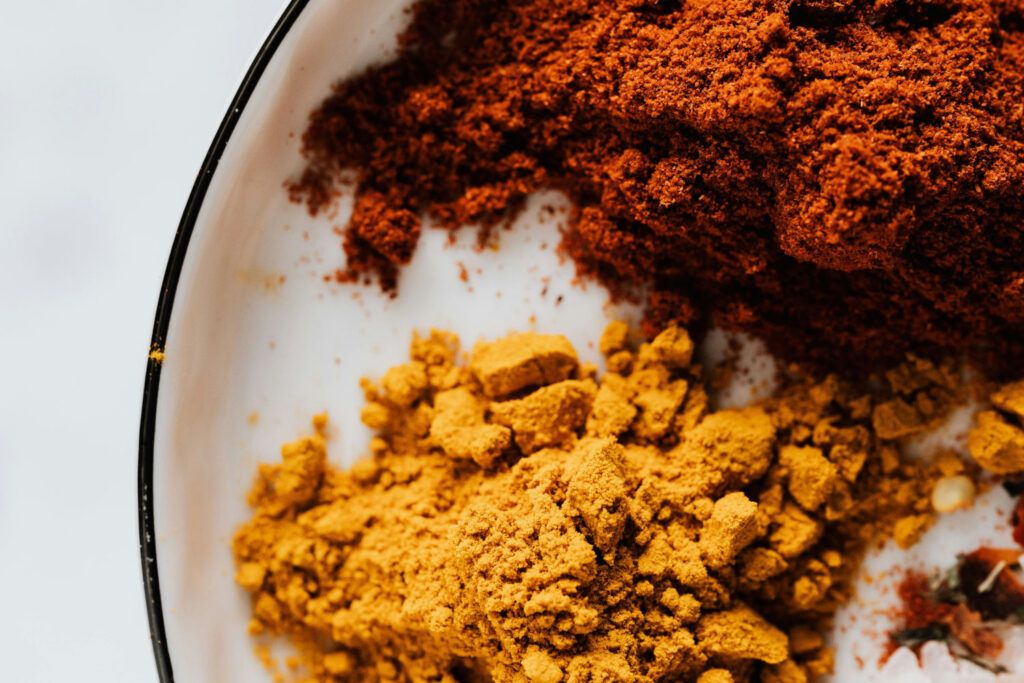
Incorporating turmeric into your daily diet is easy and delicious. Here are some practical ways to enjoy it:
Keep in mind that turmeric is better absorbed when combined with black pepper or healthy fats, such as coconut oil. So don’t hesitate to include it in your diet to make the most of its benefits.
Turmeric is an incredibly versatile spice that not only enhances the flavor of your dishes but also offers a wide range of health benefits. Whether you’re looking to improve digestion, strengthen your immune system, or support brain and heart health, turmeric can be an excellent addition to your daily routine.